
Why Is 12×12mm Polypropylene Mesh a Popular Choice for General Wall Reinforcement?
If 8×8mm mesh is our finest grid option, 12×12mm sits right in the middle of our range — and that middle-ground position is exactly why it ends up being one of our most frequently ordered mesh sizes. As a Fiber Mesh Manufacturer, we see this grid size used across general plastering work, wall crack control, and moderate-thickness render applications where a slightly wider grid still provides solid coverage without the tighter, finer weave of our 8×8mm option
The wider spacing compared to 8×8mm actually has a practical advantage too — it allows plaster or render material to key through the mesh a bit more easily during application, which some contractors find makes for a slightly faster, smoother installation on standard wall surfaces.
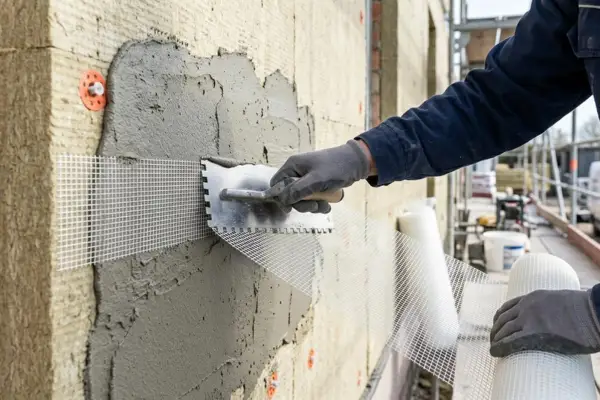
Product Overview
As part of our established Fiber Mesh Manufacturer range, our 12×12mm polypropylene mesh is woven to a consistent grid pattern using durable, alkali-resistant polypropylene strands. It’s positioned as a general-purpose reinforcement mesh, suited to a broad range of standard plastering and rendering applications where a balance between coverage and ease of application matters most.
Technical Specifications
| Mesh Type | Multifilament |
| Mesh Size | 12 × 12 cm |
| Application | Inguinal Hernia |
| Pore Type | Microporous |
| Sterility | Sterile |
| Edge Type | Cut Edge |
Key Features
The 12×12mm grid spacing offers a practical middle ground — enough coverage density for reliable crack resistance in standard wall plastering, while still allowing render material to pass through the mesh easily during application. It being made out of polypropylene, the mesh will not get corroded during its useful life, and will not have any effect of moisture seeping through the plaster layer, as is the case with other materials like lath or wire mesh. The other advantage of polypropylene mesh is that it can be easily cut and handled on site.

Recommended Dosage
As with all our mesh products, this is applied as a continuous embedded layer rather than dosed by weight. It’s typically laid into the first plaster or render coat while still wet and then covered with a finishing skim coat to fully encapsulate the mesh within the wall system. Coat thickness and mesh placement should be confirmed with our technical team based on your specific plaster specification.
Mixing Compatibility
Can be used with regular cement plaster and polymer modified rendering systems as well as gypsum finishes. It is incorporated while the plaster is still wet and can be used with various bonding agents available.

FAQ
Is 12×12mm mesh suitable for both interior and exterior plastering?
Yes, its alkali resistance and durability make it suitable for both interior wall plastering and exterior render applications.
How does 12×12mm mesh compare to 8×8mm for general use?
12×12mm offers a wider grid that’s slightly easier to work render material through, while 8×8mm provides denser coverage better suited to very fine finish work — general plastering typically favors the 12×12mm option.
Can this mesh be cut on-site to fit around openings or corners?
Yes, it’s easy to cut and shape on-site using standard scissors or shears, making it practical for working around windows, doors, and irregular wall sections.
Need help selecting the right mesh grid size for your plastering project? Reach out through our enquiry page or check the full range at fiberwellindia.com.