Why Is Egypt's Construction Sector Turning to Indian Fiber Reinforcement Manufacturers?
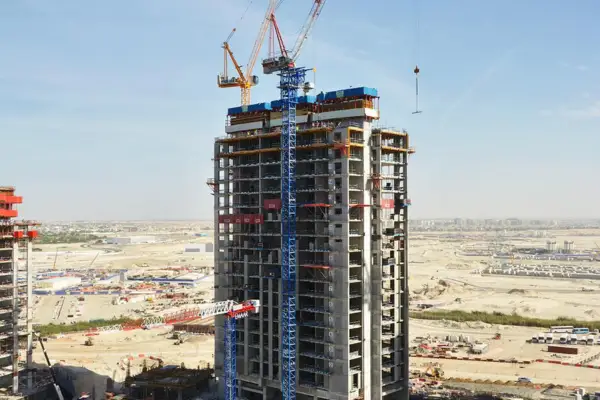
Egypt is in the middle of one of the most ambitious construction cycles in the region — new administrative capital development, expanding infrastructure networks, and steady growth across residential and commercial construction. That scale of activity, combined with Egypt’s hot, arid climate, creates conditions strikingly similar to what we already supply for across the Gulf: intense heat, rapid surface moisture evaporation, and large-volume pours that all raise the risk of early-age shrinkage cracking. As an export-oriented PP Fiber Manufacturer and Glass Fiber Manufacturer, we’ve positioned our supply chain to support exactly this kind of demand out of Egypt.
The Climate and Scale Challenges Egyptian Contractors Face
Egypt’s desert climate accelerates surface moisture loss in freshly placed concrete, which is precisely the mechanism behind plastic shrinkage cracking — cracks that form within hours of a pour, well before the concrete has gained meaningful strength. With major infrastructure and new-city development projects moving at considerable scale and pace, contractors are pouring large concrete volumes under tight schedules, which only compounds the shrinkage risk across wide surface areas. Add occasional exposure to saline groundwater conditions in certain regions, and corrosion resistance becomes just as important a consideration as crack control.
What We Supply for Egyptian Construction Projects
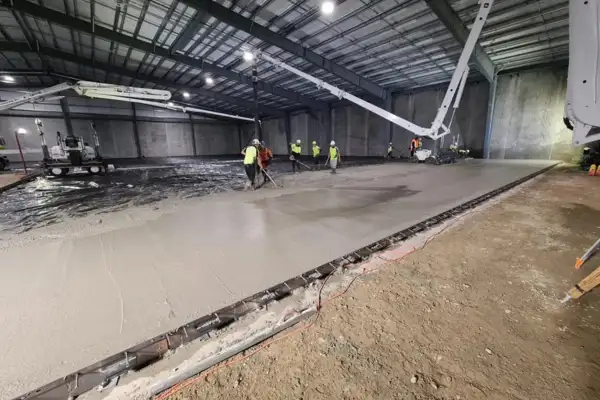
Our PP Micro Fiber Manufacturer range is built for exactly this kind of hot, dry-climate shrinkage control, dispersing through the mix to intercept cracking during the critical early curing hours that Egypt’s climate makes especially demanding. For large-scale infrastructure, roads, and industrial flooring tied to Egypt’s expanding development program, our Macro Synthetic Fiber Manufacturer and Concrete Reinforcement Fiber Manufacturer products offer a non-corrosive structural alternative to steel mesh, a meaningful advantage in regions where groundwater salinity can accelerate steel corrosion. Egypt’s growing precast and GRC sector, particularly active in large-scale housing and commercial development, also draws on our E-Glass Fiber Manufacturer, Alkali Resistant Glass Fiber, and Chopped Glass Fiber Manufacturer ranges for tensile reinforcement in architectural cladding and precast panels.
Why We're a Trusted Supply Partner for Egyptian Buyers
As an actual manufacturer controlling raw material selection, extrusion, and quality testing in-house, we’re able to guarantee the batch consistency that large-scale Egyptian construction programs depend on, along with the technical documentation contractors and precast manufacturers need for project compliance. Our export team handles the packaging and logistics involved in shipping to the Egyptian market, and our technical support extends to dosage guidance suited to Egypt’s specific climate and project conditions.
FAQ
Is fiber reinforcement suitable for Egypt's hot, arid construction conditions?
Yes, PP micro fiber is specifically effective at controlling the accelerated plastic shrinkage cracking common in hot, dry climates like Egypt’s during the early curing period.
Can you supply large-volume fiber orders for major Egyptian infrastructure projects?
Yes, we regularly handle bulk export orders with the packaging and technical documentation required for large-scale infrastructure and development projects.
Do you supply glass fiber for Egypt's precast and GRC housing developments?
Yes, our E-glass and alkali-resistant glass fiber ranges are well suited to the tensile reinforcement needs of precast panels and architectural cladding used across Egypt’s expanding housing sector.
Looking to source fiber reinforcement for an Egyptian project? Reach out through our enquiry page or explore our full product range at fiberwellindia.com.