
How Does Fiber Reinforcement Help Homes Last Beyond the First Few Monsoons?
Ask any homeowner what worries them most after construction, and cracking usually tops the list — hairline cracks appearing in fresh plaster within the first monsoon, or slab cracks showing up in a terrace or driveway within a year or two of handover.
Residential construction doesn’t always get the same technical scrutiny that commercial or infrastructure projects do, which is exactly why so many homes end up with avoidable cracking problems.
As a PP Micro Fiber Manufacturer and Fiber Mesh Manufacturer, we’ve found residential builders and homeowners increasingly asking for fiber reinforcement precisely because it prevents these problems before they start.
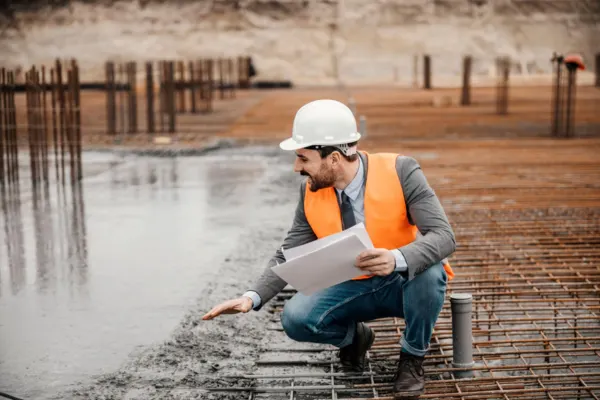
Why Homes Crack Sooner Than They Should
Residential plaster and slab work is often poured or applied in smaller batches, sometimes by labor teams working across multiple small sites in a day, which means curing conditions and finishing quality can vary a fair bit from job to job. When this is combined with the warm and dry weather conditions in Gujarat, which increases the surface drying rate of the materials and the plastic shrinkage cracking, then the high incidence of cracking before even one year into construction becomes easily understandable. This leads to homeowners having to contend with cracks in walls, terraces, and driveways, all of which are difficult to correct.
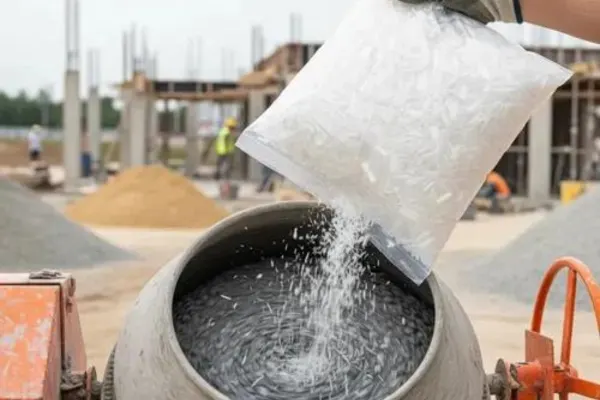
Where Fiber Reinforcement Makes a Real Difference
Our PP Micro Fiber Manufacturer range is a straightforward, cost-effective way to reduce this risk — dispersing evenly through plaster and slab mixes to control shrinkage cracking right from the curing stage, without adding significant cost to a residential project. For plaster-heavy interior and exterior wall work, our Fiber Mesh Manufacturer range offers a more structured layer of reinforcement, particularly useful in areas prone to movement, like around door and window openings where cracking commonly starts. Fiber reinforcement is equally beneficial for driveways, terraces, and other slabs that come into contact with the weather, where the freeze-thaw action caused by the monsoon rains and hot summers affects the unprotected concrete slabs.
Helping Residential Builders Deliver Fewer Callbacks
We supply fiber reinforcement to residential builders and contractors who’ve learned, often the hard way, that cracking complaints after handover cost more in reputation than the fiber itself would have cost to include upfront. Our technical team assists the builder with easy dosages for such simple residential jobs, where the use of fiber reinforcement does not need any special expertise or special equipment.
FAQ
Is fiber reinforcement worth the extra cost for a residential home?
Given how inexpensive fiber is relative to the cost of repairing cracked plaster or slabs after handover, most builders find it a worthwhile addition, especially for terraces, driveways, and exterior plaster work.
What areas of a home benefit most from fiber mesh reinforcement?
Areas prone to movement and cracking, such as around door and window openings, exterior facades, and boundary walls, tend to benefit most from a mesh-reinforced plaster system.
Can fiber reinforcement be added without changing standard construction practices?
Yes, fiber is simply added during the regular mixing process for plaster or concrete, requiring no special equipment or changes to standard residential construction methods.