
Why Do Malaysian Contractors Turn to Fiber Reinforcement for Tropical Climate Durability?
The Malaysian construction industry faces a climatic condition that is almost the reverse of that experienced by European countries. The condition is characterized by extremely high humidity, monsoons with excessive rainfall, and hot temperatures all year round that keep concrete materials wet. With the rapid urbanization of Kuala Lumpur and development in other parts of the Malaysian peninsula, there is a demand for concrete materials that can withstand constant moisture without developing cracks and corroding. As an export-focused PP Fiber Manufacturer and Glass Fiber Manufacturer, we’ve supplied fiber reinforcement to projects across Malaysia built around exactly this durability requirement.
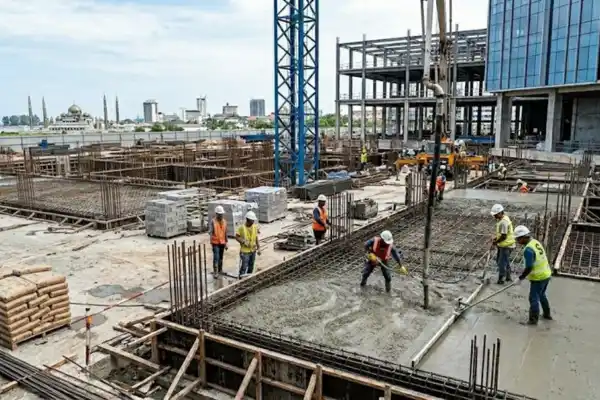
How Malaysia's Tropical Climate Affects Concrete Performance
High levels of humidity cause slow evaporation of the water, thus ensuring inconsistent curing. High levels of rainfall during the monsoons cause cycles of wetting and drying which are different from those caused by less humid weather conditions. This combination makes long-term corrosion resistance a particularly important consideration — once moisture consistently reaches embedded steel reinforcement through surface cracking, corrosion sets in and rarely reverses, especially in a climate that never really gives structures a dry season to recover in.
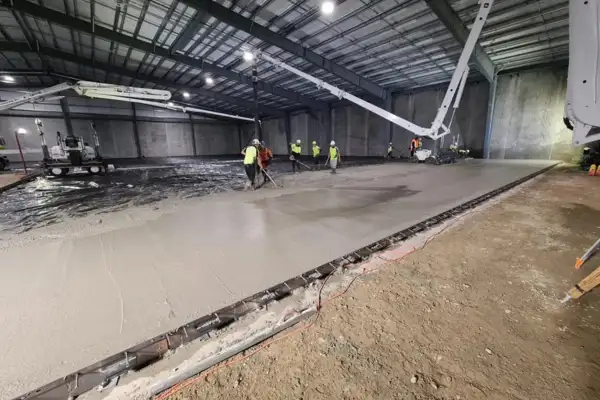
What We Supply for Malaysian Construction Projects
Our PP Micro Fiber Manufacturer range addresses early-stage shrinkage cracking across Malaysia’s high-volume urban construction, from residential towers to commercial developments, helping prevent the surface cracks that become moisture entry points later on.
For infrastructure, industrial flooring, and warehouse construction — a fast-growing sector given Malaysia’s expanding logistics and manufacturing base — our Macro Synthetic Fiber Manufacturer and Concrete Reinforcement Fiber Manufacturer products offer a genuinely corrosion-free alternative to wire mesh, removing a real vulnerability in a climate where steel reinforcement faces near-constant moisture exposure.
Malaysia’s active GRC and precast architectural sector also draws on our E-Glass Fiber Manufacturer, Alkali Resistant Glass Fiber, and Chopped Glass Fiber Manufacturer ranges for the tensile reinforcement needed in lightweight cladding and facade panels common across the country’s commercial developments.
Why Malaysian Buyers Partner With Us
As a genuine manufacturer rather than a reseller, we maintain the batch-to-batch consistency and technical documentation that Malaysian contractors and precast manufacturers need for project specification and compliance. Our export operations are set up to handle the packaging and logistics that shipping to Southeast Asian markets involves, and our technical team supports dosage guidance suited to Malaysia’s specific climate and application conditions.
FAQ
Is fiber reinforcement effective in Malaysia's high-humidity, high-rainfall climate?
Yes, controlling early shrinkage cracking through PP micro fiber helps prevent the surface cracks that would otherwise become moisture entry points in Malaysia’s sustained humid and monsoon conditions.
Can fiber reinforcement replace steel mesh in Malaysian industrial and warehouse flooring?
In many applications, yes — macro synthetic fiber offers a corrosion-free structural alternative that holds up better than steel mesh in Malaysia’s constantly humid climate.
Do you supply glass fiber for Malaysia's GRC and precast architectural sector?
Yes, our E-glass and alkali-resistant glass fiber ranges are well suited to the tensile reinforcement needs of Malaysia’s GRC panel and precast cladding industry.
Looking to source fiber reinforcement for a Malaysian project? Reach out through our enquiry page or explore our full product range at fiberwellindia.com.